Pronter: A Vintage Font with a Modern Edge
There’s a certain magic in the way a well-chosen font can instantly transport a viewer to a different era. It can evoke the warmth of a hand-stamped letterpress label, the bold confidence of a mid-century advertisement, or the rustic charm of a weathered sign. Finding a typeface that captures this vintage soul while remaining versatile enough for today’s design projects is a rare find. Pronter is precisely that kind of font—a stunning vintage display typeface that bridges the gap between nostalgic appeal and contemporary application, offering a rich toolkit for creatives who value both character and flexibility.
More Than Just a Pretty Typeface
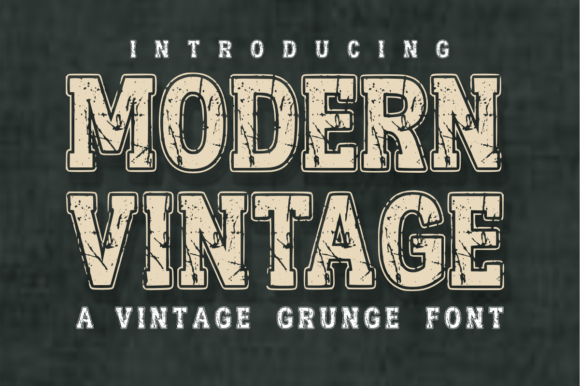
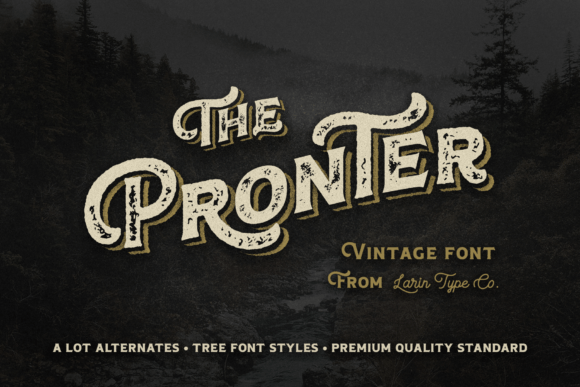
At its core, Pronter is a premium font that speaks with a distinct, confident voice. Its design is rooted in classic serif forms, giving it an inherent sense of tradition and stability. However, it’s the subtle details and extensive variations that elevate it from a simple retro style to a powerful design asset. The font family includes three primary styles: a clean Regular, a textured Rough, and a distinctly tactile Stamp style. Each of these variations offers a different level of visual grit, allowing you to match the font’s personality precisely to your project’s mood—whether that’s polished sophistication or raw, handmade authenticity.
Beyond these core styles, Pronter expands its creative potential with two additional shadow styles: a standard Shadow and a Rough Shadow. These aren’t mere afterthoughts; they are integral components that add depth and dimension with a single click. Imagine creating a logo or a poster headline where the letters seem to lift off the page, casting a subtle, textured shadow that adds a layer of professional polish. This built-in versatility means you can achieve complex, layered typographic effects without the need for additional software or tedious manual work.
Unleashing Creativity with Alternates and Glyphs
Where Pronter truly shines for designers is in its extensive library of alternates, ligatures, and swashes. This is where the font encourages you to play and experiment. The OpenType features are robust, but the real key to unlocking its full potential is its PUA encoding. For anyone who has ever felt frustrated by software limitations, this is a game-changer. PUA (Private Use Area) encoding means that every single alternate character, ligature, and decorative flourish is accessible directly through your operating system’s character map or font panel. You don’t need advanced design software or specialized knowledge to use them. This ease of access democratizes high-end typography, allowing bloggers, small business owners, and hobbyist crafters to create truly unique typographic compositions that feel custom-designed.
Think about the practical implications. You can easily swap out a standard ‘g’ for a more elegant swash version, connect letters with unique ligatures to create a seamless flow, or add decorative elements to the beginning or end of a word. This level of customization is what separates generic text from impactful branding. It allows you to create a logo that is unmistakably yours, a social media graphic that stops the scroll, or packaging that tells a story before the product is even touched.
Practical Applications Across the Design Spectrum
The true test of any creative font is its real-world performance. Pronter’s balanced design makes it surprisingly adaptable. Its strong, clear letterforms ensure readability even at smaller sizes, which is crucial for body text in editorial layouts or product descriptions. Yet, its stylistic flair makes it a standout choice for large-scale display uses. Here’s how it can be applied across various projects:
- Brand Identity & Logo Design: Pronter’s vintage character can instantly give a brand a story, a sense of heritage, or a artisanal quality. It’s perfect for coffee roasters, craft breweries, boutique agencies, or any brand that wants to convey authenticity and craftsmanship.
- Packaging & Labels: The Rough and Stamp styles are ideal for creating labels that feel handmade and premium. The shadow styles can add a dynamic, eye-catching element to product packaging on shelves.
- Print & Digital Marketing: Use it for striking poster headlines, event invitations with a classic feel, or email marketing graphics that need a touch of personality. Its clarity ensures your message gets across.
- Web & Social Media: As a display font, Pronter is excellent for website hero sections, blog post titles, and social media quotes. Pair it with a clean sans-serif font for body copy to create a balanced and professional typographic hierarchy.
- Merchandise & Digital Products: From t-shirt designs and tote bags to digital planners and printable wall art, Pronter adds a valuable, stylish aesthetic that can increase the perceived value of your products.
Smart Font Pairing and Final Considerations
Integrating a strong display font like Pronter into your work is about creating harmony. A common and effective strategy is to pair it with a simple, neutral sans-serif font. A typeface like Montserrat, Open Sans, or Lato can provide a clean, modern counterbalance to Pronter’s vintage flair, ensuring your body text remains highly readable while your headlines command attention. Always test your pairings in context—view them on different devices and at various sizes to ensure the relationship works.
Before purchasing any commercial font, including Pronter, it’s essential to review the licensing terms to ensure they cover your intended use, whether for personal projects, client work, or merchandise sales. Understanding these details upfront is a mark of a professional creative process.
Ultimately, Pronter is more than just a collection of glyphs; it’s a versatile creative partner. It empowers you to inject history, texture, and personality into your visual communication. By offering a range of styles from clean to gritty and providing easy access to a wealth of typographic extras, it solves the common designer’s dilemma of finding a font that is both distinctive and adaptable. It’s a tool that respects the past but is built for the creative demands of today.