Why the Skinny Flower Font is a Designer's Secret Weapon
There’s a moment in every creative project where you need typography to do more than just display words. You need it to convey a feeling, to establish a tone, and to create an immediate connection. This is where a typeface with genuine character, like the Skinny Flower font, moves from being a simple tool to becoming the centerpiece of your visual story. It’s not just a collection of letters; it’s a distinct personality waiting to be applied to your work.
Aesthetic Appeal: More Than Just Thin Lines
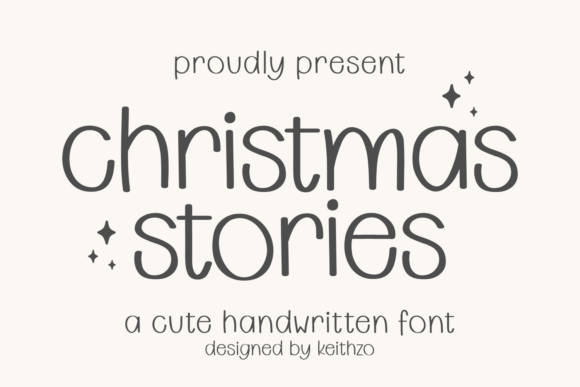
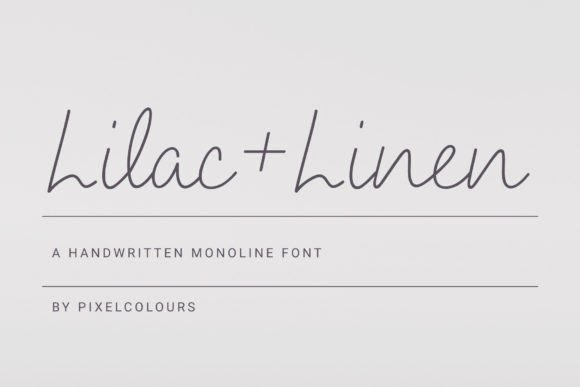
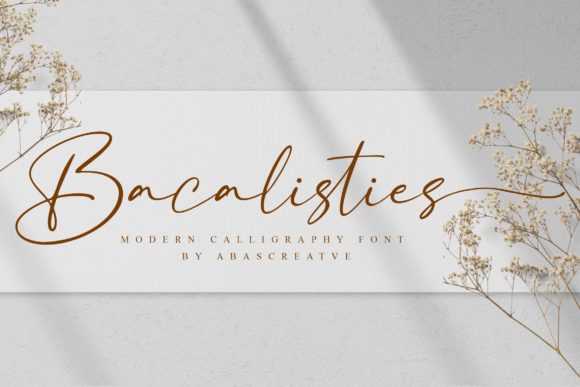
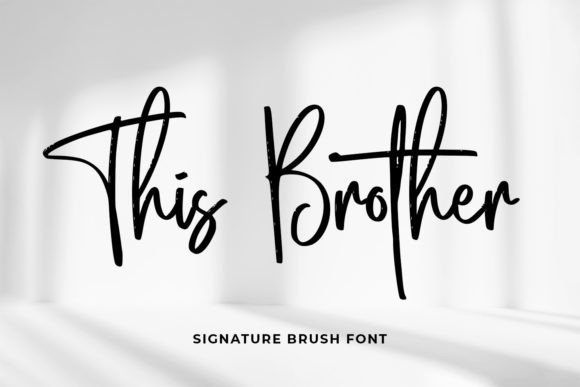
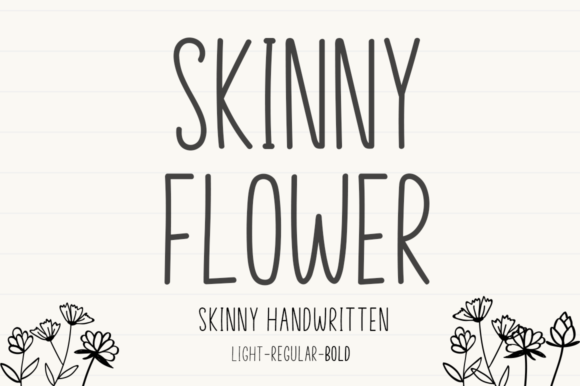
At first glance, Skinny Flower is a skinny handwritten font, but its design philosophy goes deeper. The charm lies in its simple but strong visual effect. The letterforms are elegant and organic, with a natural flow that mimics real handwriting without sacrificing legibility. This isn’t a chaotic, messy script; it’s refined and intentional. The thin strokes create a sense of lightness and sophistication, making it perfect for projects that aim to feel modern, airy, and approachable. It’s the kind of display font that adds a human touch to digital interfaces, instantly making a design feel more personal and less sterile.
Where This Creative Font Truly Shines
The real value of a typeface is measured by its versatility. Skinny Flower’s aesthetic makes it a powerful asset across a wide range of applications, helping to unify the look and feel of a brand or project.
- Branding and Logo Design: For a logo design that needs to feel personal, artistic, or boutique, this font is a standout choice. It’s ideal for lifestyle brands, beauty products, artisan goods, or creative studios. It helps build a brand identity that feels authentic and handcrafted.
- Packaging Design: On product labels, boxes, and sleeves, Skinny Flower adds a premium, artisanal quality. It communicates care and attention to detail, which can elevate the perceived value of a physical product.
- Social Media Graphics: In a fast-scrolling feed, a unique font grabs attention. Use Skinny Flower for quotes, announcements, or story overlays to create a consistent and recognizable visual style that boosts audience engagement.
- Web and Blog Design: As a heading font for a blog or a featured quote on a website, it provides a beautiful contrast to clean sans serif font body text. This font pairing strategy improves visual hierarchy and makes pages more dynamic.
- Print and Editorial Layouts: From magazine pull-quotes and book chapter titles to wedding invitations and event posters, this font adds a touch of elegance and personality that standard typefaces often lack.
- Digital Products and Marketing Assets: Enhance the look of e-books, online course materials, lead magnets, and email headers. A consistent premium font across all assets builds professional presentation and trust.
Practical Integration for Maximum Impact
Adopting a new font like Skinny Flower into your workflow is about more than just liking how it looks. To leverage its full potential, consider these practical steps.
First, always think about readability considerations. Because it’s a delicate, handwritten style, Skinny Flower is best used for short bursts of text—headings, logos, captions, and call-to-action phrases. For body copy or long paragraphs, pair it with a highly readable serif font or sans serif font. This contrast ensures your main message is clear while the accent font adds flair.
Next, test font pairings thoroughly. Skinny Flower works beautifully with clean, geometric sans serifs for a modern look, or with a classic serif for a more elegant, editorial feel. The key is to let the Skinny Flower font be the star of the show for key elements, while its partner font handles the heavy lifting of readability.
Finally, understand the asset you’re working with. A complete font package like Skinny Flower often includes more than the basic letters. Look for additional font styles, such as alternates, ligatures, or swashes. These extras allow you to customize the look further, ensuring your designs are truly unique. Always check the commercial licensing details to ensure the font can be used for your specific project, whether it's a personal blog or a client's merchandise line.
In a landscape crowded with generic design assets