The Enduring Allure of the Vintage Remington Typewriter Font
There’s a specific kind of character that a typed letter possesses—a slight imperfection, a tangible impression on the paper, a whisper of the machine that made it. It’s a feeling of authenticity, of words that have been deliberately chosen and physically committed. For designers and creators seeking to inject that same soulful, mechanical charm into their modern projects, the Vintage Remington display font is a masterful tool. It’s not just a collection of letters; it’s a digital artifact that captures the gritty, beautiful aesthetic of a classic typewriter, ready to add creativity and a distinct edge to your work.
A Typeface with a Story to Tell
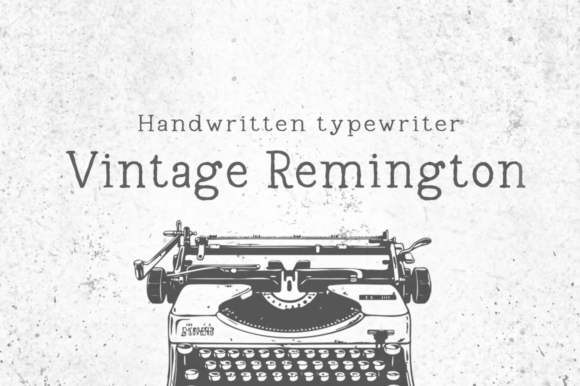
What sets this handwritten typewriter style apart is its refusal to be perfectly clean. Each character in the Vintage Remington typeface is stylized to mimic the uneven ink distribution and mechanical strike of an old Remington typewriter. You’ll notice subtle variations in weight, slight misalignments, and textured edges that give it an organic, human touch. This isn't the sterile precision of a modern digital font; it's a creative font with history baked into its DNA. It’s a display font that excels at making a statement, evoking nostalgia, authenticity, and a hands-on craftsmanship that resonates deeply with audiences tired of overly polished, generic visuals.
From Brand Identity to Social Media: Practical Applications
The true value of a premium font like this lies in its versatility. It’s a design asset that can unify disparate projects under a cohesive, compelling aesthetic. Consider these real-world applications:
- Logo Design & Branding: For a coffee roastery, a boutique bookstore, or a craft distillery, a logo set in Vintage Remington immediately communicates tradition, quality, and a story worth telling. It helps build brand recognition through a distinctive, ownable visual element.
- Packaging Design: On a label for artisanal goods, this font adds a layer of perceived authenticity. It suggests the product was made with care, perhaps even by hand, which can be a powerful differentiator on a crowded shelf.
- Editorial & Print Layouts: Use it for chapter titles in a book, pull quotes in a magazine, or headlines on a poster. It creates a dramatic focal point and establishes a specific mood, whether it's noir mystery or rustic charm. Its role in editorial design is to command attention.
- Digital Presence: While not for body text, it’s perfect for website headers, blog post titles, or call-to-action graphics that need to stand out. In web design, it can break the monotony of clean sans-serifs with a burst of personality.
- Social Media & Marketing: In a feed of smooth graphics, a post featuring the textured, raw look of a typewriter font stops the scroll. It’s ideal for quotes, announcements, and any social media graphics where engagement and authenticity are key.
- Physical Products & Invitations: From wedding invitations that feel personal to merchandise like tote bags or t-shirts, the font translates beautifully to physical media, adding a tactile, vintage quality.
Making It Work: Font Pairing and Readability
Integrating a strong character font requires a thoughtful approach to maintain professional presentation and readability. The goal is contrast and balance. Pair the Vintage Remington display style with a simple, clean sans serif font for body text. A neutral sans-serif will provide a clear, legible foundation that doesn’t compete for attention, allowing the typewriter font to shine as the headline act. For a more nuanced feel, it can also pair well with certain elegant serif fonts, creating a dialogue between old-world elegance and industrial grit.
Always test your pairings at different scales. A font that looks stunning in a large headline might lose its charm or become difficult to read when reduced. Consider the context: a bold, textured Vintage Remington might be perfect for a poster but overwhelming for a small website button. Review the included font styles—often these families come with varying weights or distressed versions that offer more flexibility. Using a slightly lighter weight can sometimes improve readability while retaining the core aesthetic.
Aligning Typography with Your Project's Goals
Choosing a font is a strategic decision. Before you select Vintage Remington for a project, ask yourself what emotion or message you need to convey. Is your brand identity rooted in heritage and authenticity? Is your campaign aiming for a retro, gritty vibe? Does your product have a handmade, artisanal quality? If the answer is yes, this typeface is a powerful ally. It’s not a one-size-fits-all solution, but for the right project, it becomes an indispensable part of the visual storytelling.
Furthermore, understanding licensing is crucial for any commercial font. Ensure the license covers your intended use, whether it’s for a client’s logo, merchandise for sale, or a digital product. A legitimate license protects you and supports the designers who create these valuable tools, ensuring the continued availability of high-quality design assets.
In the end, the Vintage Remington font is more than just a set of glyphs. It’s a bridge to the past, a tool for crafting narratives, and a way to imbue your projects with a sense of time and touch. By using it strategically and pairing it wisely, you can elevate your designs from merely functional to truly memorable, creating work that feels both authentic and intentionally crafted. It’s a testament to the idea that sometimes, the most modern thing you can do is embrace the beautiful imperfections of the past.