Modern Vintage: The Typeface That Bridges Eras
You know the feeling. It’s that instant recognition of something that feels both timeless and immediate. Think of the bold, blocky lettering on a worn leather varsity jacket from the 1960s, or the faded, gritty text on an old gymnasium scoreboard. Now, imagine capturing that exact aura—the history, the texture, the unapologetic boldness—but making it work seamlessly in a contemporary design for a streetwear brand, a podcast cover, or a modern startup’s logo. That’s the magic a typeface like Modern Vintage delivers. It’s not just a font; it’s a bridge between the rugged authenticity of the past and the clean, impactful demands of today’s visual landscape.
A Grunge Texture with Athletic Bones
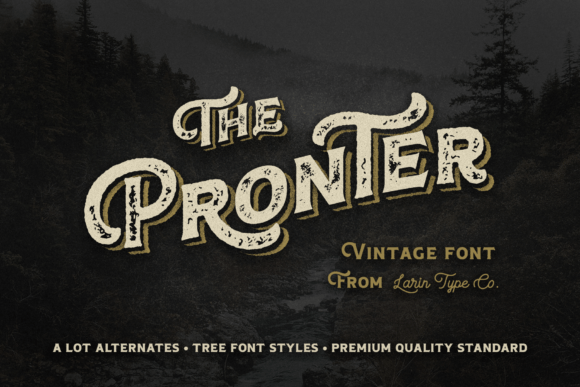
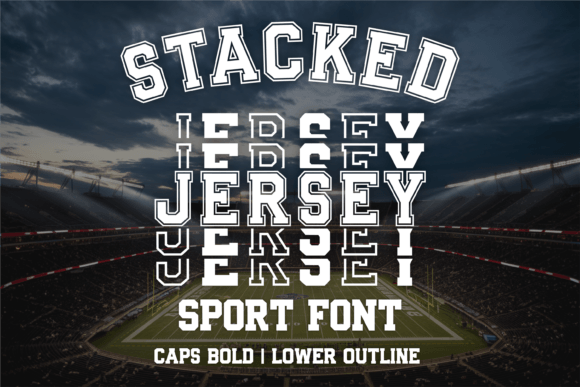
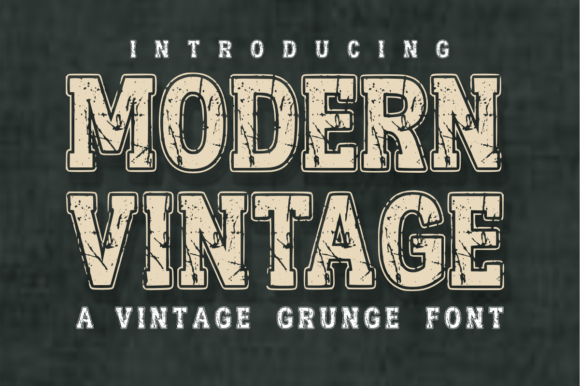
What sets this particular display font apart is its dual personality. At its core, it’s built on a robust, athletic block structure. The letterforms are solid, confident, and instantly readable at a glance—think classic collegiate sports branding. But it’s the treatment over that foundation that tells the story. The Modern Vintage typeface is layered with a heavy, realistic grunge texture. This isn’t a subtle, digital noise filter; it’s a carefully crafted distress that mimics years of wear, sun-fading, and screen-printing imperfections. The result is a design asset that feels genuinely weathered, giving your work a sense of history and grit that a pristine, clean font simply cannot replicate.
This visual character is a powerful tool for communication. Before a single word is read, the typography itself conveys a message of durability, heritage, and authenticity. It’s the difference between a brand that feels manufactured and one that feels lived-in and real.
Where This Typeface Truly Shines
The practical applications for a font with this much character are surprisingly versatile. Its strength lies in large-scale headlines where the intricate details of its texture can be fully appreciated without compromising legibility. This makes it a prime candidate for projects that need to make an immediate, bold impression.
Consider using it for:
- Branding & Logo Design: Perfect for masculine lifestyle labels, craft breweries, barbershops, boutique gyms, or any brand wanting to project a classic, no-nonsense identity with a retro twist.
- Packaging & Merchandise: Elevate product packaging for specialty foods, spirits, or artisanal goods. It’s equally effective on apparel like t-shirts, hoodies, and hats, where the distressed look feels at home.
- Posters & Editorial Design: Create arresting posters for events, music festivals, or film titles. In editorial layouts, a pull-quote set in this typeface can anchor a page with dramatic flair.
- Digital Presence: Use it for hero text on a website, impactful YouTube thumbnails, or cohesive social media graphics that stop the scroll. It works exceptionally well for podcast artwork and digital product covers.
The key is to leverage its display nature. It’s a headline font, not a body text font. Using it for short, high-impact phrases allows its unique texture to enhance your message rather than hinder readability.
Building a Balanced Visual Identity
Using a highly stylized font like this requires a thoughtful approach to maintain a professional presentation and ensure your brand’s visual consistency. The rugged imperfections are a feature, but they need a counterpart to create a harmonious design.
This is where font pairing becomes critical. The ideal partner for a textured, vintage-inspired display font is something clean, simple, and modern. This contrast creates a dynamic tension that feels both intentional and sophisticated.
- Pair with a Clean Serif: A classic serif font (like a Garamond or a modern transitional serif) for body text or subheadings creates an elegant, timeless feel. The serif’s refined details complement the display font’s raw energy.
- Choose a Minimal Sans Serif: For a more contemporary and urban streetwear vibe, pair it with a geometric or grotesque sans serif. Fonts like Helvetica, Futura, or a clean monospaced typeface provide a neutral, stable foundation that lets the headline font command all the attention.
Always test your pairings. Set a headline in the vintage typeface and several lines of body text in your chosen partner. Read it on a screen and in print if possible. The goal is a seamless flow where the eye is guided from the attention-grabbing headline into the supporting content without visual friction. This balance directly impacts readability and audience engagement.
From Concept to Commercial Reality
Before integrating any new premium font into your workflow, especially for commercial use, a practical checklist is invaluable. First, review the full character set of the Modern Vintage typeface. Does it include the punctuation, numerals, and language support you need? Check for stylistic alternates or ligatures that could add further customization to your logos or headlines.
Next, consider the licensing. If you’re a small business owner creating your own logo, a personal license might suffice. However, if you’re a designer creating assets for a client, or if the font will be used on merchandise for sale, you will need to secure the appropriate commercial font license. This is a non-negotiable step to ensure legal compliance for you and your clients.
Finally, think about the long-term role of this typeface within your broader brand identity system. It shouldn’t exist in isolation. Define clear rules for its use: which specific applications (e.g., main logo, section headers, promotional graphics) and which contexts (e.g., always on a solid color background, never for long sentences) it is reserved for. This discipline ensures that the powerful character of the font strengthens your brand’s recognition over time, rather than becoming a distracting novelty. When used with strategic intent, a typeface like this does more than just spell words—it tells a story, builds a mood, and connects your project to a rich visual legacy while keeping it firmly planted in the now.