Runegrim: A Viking-Inspired Typeface for Modern Creators
Finding a font that carries historical weight without feeling like a costume piece is a challenge. Many typefaces lean too heavily into fantasy tropes, becoming illegible or gimmicky. Others strip away so much character they feel generic. Runegrim threads that needle with striking precision. It draws directly from ancient Viking rune script, transforming those angular, carved forms into a functional typeface for today’s creative projects. This isn’t just a decorative novelty; it’s a tool for anyone building a brand with a sense of heritage, strength, or rugged authenticity.
More Than Just Ancient Symbols
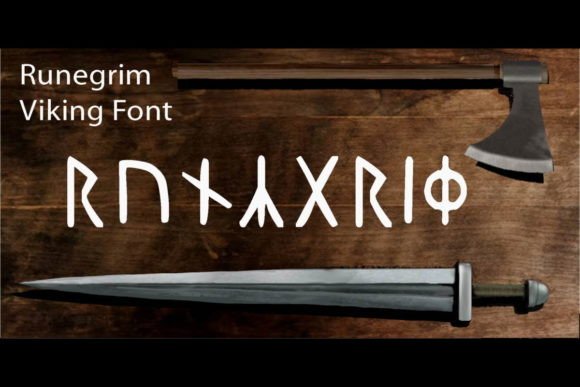
What makes Runegrim visually compelling is its balance. The letterforms honor the geometric, straight-line structure of runes—think of the Elder Futhark alphabet carved into wood or stone. Yet, it’s been carefully modernized for clarity. Each character has consistent proportions and spacing, making it surprisingly versatile. The strokes have a satisfying weight, neither too thin nor too bulky, giving text a solid, grounded presence. It’s a display font that commands attention in headlines but can also work in shorter bursts of body copy when paired thoughtfully. The aesthetic feels timeless: it evokes Norse mythology, ancient craftsmanship, and a connection to the natural world, all without relying on clichéd horned helmets or dragons.
For designers and creators who aren’t familiar with the complexities of Unicode or the original rune systems, Runegrim solves a real problem. It provides that ancient, runic look within a standard font file you can type with immediately. No special software or character maps are needed. This accessibility makes it a practical design asset for a wide range of projects, from professional branding to personal craft.
Where This Typeface Truly Shines
Think about the projects where character and story matter most. Logo design is a natural fit. A craft brewery, a outdoor gear company, a metal band, or a specialty coffee roaster could use Runegrim to instantly communicate a brand identity rooted in tradition, strength, and artisanal quality. The font’s distinctiveness aids brand recognition—once seen, it’s hard to forget.
Packaging design is another powerful application. Imagine the font on a label for small-batch spirits, artisanal cheese, or hand-forged knives. It tells a story before the product is even tasted or used. For clothing and apparel, Runegrim is exceptionally well-suited. Its clear, bold shapes translate perfectly to embroidery, screen printing, and heat transfers. T-shirts, hoodies, hats, and patches gain an instant sense of authenticity. The same applies to handicrafts: leather goods, woodburned items, pottery, and jewelry all benefit from a typeface that looks etched or carved.
In the digital realm, it adds punch to social media graphics, especially for posts about history, mythology, craftsmanship, or outdoor adventures. It can make a website’s hero section or a blog’s title stand out, setting a specific tone from the first click. For editorial design—think magazine features on Viking history or fantasy literature—it brings thematic cohesion. Even invitations for themed events or marketing assets for game studios can leverage its unique personality.
Practical Tips for Using a Runic Font
Adopting a distinctive typeface like Runegrim requires a bit of strategy to ensure it works for your goals, not against them. The most important rule is readability. Because it’s a display font, it’s best used for short, impactful text: headlines, logos, pull quotes, or single-word accents. Pair it with a clean, neutral sans serif font or a simple serif font for body copy. This contrast ensures your message is clear while your design retains its unique flair. A pairing like Runegrim for headings with a font like Open Sans or Lora for paragraphs creates a professional and balanced hierarchy.
Consider the font style that comes with your purchase. Many premium fonts include multiple weights or stylistic alternates. Runegrim might offer a regular weight and a bold, which gives you flexibility for different levels of emphasis. Always test your chosen font pairings in context. Mock up your logo, your social media post, or your product label. How does the text look at different sizes? Does it hold its character when small? Does it avoid feeling overwhelming when large?
Licensing is a key consideration for commercial use. If you’re a small business owner or creative entrepreneur planning to sell merchandise, use the font in client work, or feature it prominently in your brand identity, ensure you have the correct commercial license. This protects you legally and supports the type designers who create these valuable tools.
Building a Cohesive Visual Language
A typeface is a cornerstone of your visual communication. Choosing Runegrim is a decision to infuse your project with a specific narrative. It helps achieve visual consistency across all your touchpoints—from your website header to your product tags to your email newsletter. This consistency builds professionalism and trust with your audience.
Think about the emotional response you want to evoke. Runegrim’s strength and historical resonance can foster deeper audience engagement. It attracts a certain kind of customer or reader—one who appreciates detail, history, and quality. For a content creator or blogger, it can become a signature element that makes your platform instantly recognizable in a crowded feed.
Ultimately, the best font is one that serves the project’s purpose while capturing its spirit. Runegrim offers a unique bridge between the ancient and the modern. It provides a powerful visual shorthand for stories of exploration, craftsmanship, and enduring strength. Whether you’re launching a new brand, designing a book cover, or creating a line of handmade goods, it’s a typeface that doesn’t just display words—it helps tell a story.