Lovely Flowers: A Script Font for Designs That Feel Personal
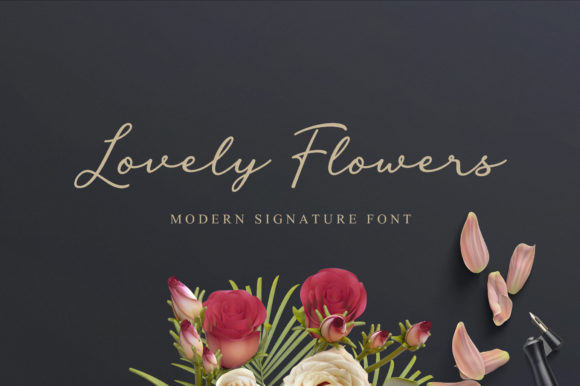
Finding a font that feels genuinely personal can be the missing piece in a creative project. You know the one—it needs to look handcrafted but still polished, friendly but not childish, expressive but still easy to read. That’s a tricky balance, and it’s exactly where Lovely Flowers steps in. This relaxed, cursive script font sits in a sweet spot: its strokes are neither too thin nor too thick, creating a rhythm that feels natural and inviting. It’s the kind of typeface that doesn’t shout for attention but quietly makes everything around it feel more considered.
What Makes This Script Font Stand Out
At its core, Lovely Flowers is a premium script font designed for real-world use. The letterforms flow with a handwritten quality that avoids looking stiff or overly formal. Each character connects thoughtfully, with varied baseline movement that mimics natural handwriting. This isn’t a font that tries to imitate a child’s scrawl or a calligrapher’s precise hand—it occupies its own space as a modern typography choice that feels warm, approachable, and versatile.
One practical detail worth noting: this font is PUA encoded. That means every glyph, swash, and stylistic alternate is accessible through standard software, even if you’re not using advanced design programs. You can easily access decorative elements to customize headlines, logos, or monograms without needing special technical knowledge. For someone building a brand identity or creating marketing materials, that accessibility matters—it lets you experiment without frustration.
Where a Font Like This Actually Works
You might be wondering where a script font like Lovely Flowers fits into your projects. The answer is broader than you might think. Because it strikes a balance between decorative and legible, it works across a range of applications where personality needs to come through clearly.
Consider branding and logo design. A bakery, boutique, wellness studio, or lifestyle brand could use this font to create a logo that feels handmade and authentic. It pairs well with clean sans serif fonts for body text, creating contrast that keeps the overall design readable while letting the brand name have its own voice.
For packaging design, especially for artisanal products, cosmetics, or specialty foods, Lovely Flowers can add that touch of human craftsmanship. Think of the difference between a generic label and one that feels like it was made with care—the font choice often makes that distinction.
On social media graphics, where you have seconds to capture attention, a font with personality can stop the scroll. Use it for quotes, announcements, or promotional headers to create visual consistency across your Instagram, Pinterest, or Facebook posts. It’s also effective for blog headers, especially if your content leans toward lifestyle, food, travel, or creative niches.
Print materials benefit too. Invitations for weddings, events, or launches often call for a font that feels celebratory and personal. Posters for local events, markets, or workshops can use this script style to convey warmth and approachability. Even editorial layouts—like magazine features or lookbooks—can use it for pull quotes or section headers to break up text-heavy pages.
And if you’re selling digital products like planners, worksheets, or printable art, or creating merchandise like mugs, tote bags, or stationery, a font that feels handcrafted adds perceived value. It suggests a level of care that generic typefaces don’t convey.
Matching Typography to Your Project Goals
Choosing a font isn’t just about what looks pretty in a preview. It’s about alignment with your message, audience, and medium. A few practical considerations can help you decide if Lovely Flowers—or any script font—is the right fit.
First, think about readability. Script fonts are inherently less legible at small sizes or in long paragraphs. Use them for headlines, short phrases, or accent text rather than body copy. If you’re designing a website, pair Lovely Flowers with a clean serif font or sans serif font for paragraphs to maintain clarity.
Next, consider your audience. A creative font like this resonates with audiences who value authenticity and craftsmanship—think handmade goods shoppers, boutique clients, or lifestyle followers. It might feel out of place on a corporate financial report, but it’s perfect for a wedding planner’s portfolio or a coffee shop’s menu.
Testing font pairings is essential. Try combining Lovely Flowers with a geometric sans serif like Montserrat or a classic serif like Lora. The contrast between a flowing script and a structured typeface creates visual hierarchy and keeps the design from feeling overwhelming.
Also, take time to explore the included styles and alternates. Because this font is PUA encoded, you can access swashes and ligatures that add flair to specific letters. Experiment with these in your design software—they can turn a simple word into a visual element that feels custom-made.
Practical Tips for Working with Script Fonts
If you’re new to using handwritten fonts or script typefaces, a few guidelines can help you avoid common pitfalls.
- Don’t overuse it. A script font is most effective when used sparingly. Reserve it for key words or phrases that deserve emphasis.
- Check spacing. Script fonts often need manual kerning adjustments, especially where letters connect. Look at pairs like “Th” or “ly” to ensure they flow naturally.
- Consider context. A font that looks beautiful on a wedding invitation might feel out of place on a tech startup’s website. Always match the font’s personality to the project’s tone.
- Test at actual size. View your design at the size it will be used—whether on a business card or a billboard—to ensure legibility isn’t compromised.
Building Visual Consistency Across Your Brand
One of the most valuable things a consistent font choice offers is brand recognition. When you use the same typeface across your marketing assets—from your website to your social media to your packaging—you create a visual thread that ties everything together. Customers start to recognize your brand not just by your logo, but by the way your text looks and feels.
Lovely Flowers can serve as a signature element of your brand identity. Use it for your primary logo, then carry it into headings on your website, quotes in your email newsletters, and text overlays on your images. This consistency builds familiarity, and familiarity builds trust.
At the same time, ensure you have a secondary font for longer text. A display font like a script works best in controlled doses. Pair it with a highly readable typeface for body copy, and you’ll have a typographic system that feels cohesive and professional.
The right font doesn’t just decorate a design—it communicates something about who you are and what you value. For projects that call for warmth, personality, and a human touch, a script font like Lovely Flowers offers a practical and visually engaging solution. Whether you’re refreshing your brand, launching a new product, or creating content that connects, it’s worth exploring how this typeface can fit into your creative toolkit. The best designs often come down to thoughtful choices, and typography is one of the most powerful ones you can make.