Elisabeth: The Cursive Script Font That Feels Like a Personal Touch
There’s a certain magic in a handwritten note. It carries weight, personality, and a sense of intention that a block of standard text simply cannot replicate. In the digital world, that personal touch is often what’s missing, what separates a forgettable asset from one that truly connects. This is precisely the gap that the Elisabeth font was designed to fill. It’s not just another script typeface; it’s a tool for infusing your work with warmth, elegance, and an unmistakable human presence.
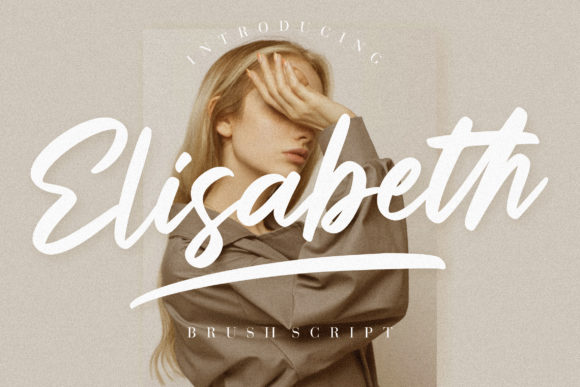
Elisabeth is a cursive brushed script with a contemporary atmosphere and impeccable form, inspired by the timeless art of classic calligraphy. Think of it as the typographic equivalent of a confident, graceful signature. Its strokes are balanced and varied, neither too thin to disappear on a busy background nor too thick to overwhelm a delicate design. This careful calibration is what gives it such versatile appeal. Whether you’re drafting a logo for a boutique bakery, creating social media graphics for a lifestyle brand, or laying out an elegant wedding invitation, this typeface adapts to the mood you’re trying to create.
Where This Script Font Truly Shines
The true test of any premium font is its range of application. Elisabeth excels in projects where personality and a premium feel are paramount. For brand identity work, it can become the cornerstone of a visual system. Imagine it as the primary logo font for a wedding planner, a custom jewelry designer, or a high-end café. Its flowing nature communicates creativity, care, and sophistication without saying a word. Paired with a clean sans serif font for body text, it creates a beautiful contrast that is both modern and legible.
For packaging design, this script font can elevate a product from ordinary to artisanal. Use it for product names on labels for candles, cosmetics, or gourmet foods. The brushed texture implies something made by hand, which builds an immediate sense of value and story. Similarly, in editorial design, Elisabeth can add a touch of flair to magazine headlines, chapter titles in a book, or pull quotes in a blog layout, breaking the monotony of standard serif and sans serif blocks.
Practical Tips for Pairing and Readability
While Elisabeth is a beautiful standalone piece of modern typography, its power is often multiplied in combination. A golden rule in design is to pair a highly stylistic font like a script font with a neutral counterpart. For digital projects like web design or social media graphics, try combining Elisabeth with a geometric sans serif like Montserrat or Lato for headings and body copy. This ensures your message remains clear and accessible while the script element adds visual interest and draws the eye to key points.
Readability is crucial, especially at smaller sizes or on screens. Elisabeth’s design, with its considered weight and spacing, performs admirably, but context is everything. It’s ideal for larger display text—think hero banners, poster headlines, or featured quotes. For paragraphs of text or critical information, always opt for a more straightforward typeface. The goal is to use Elisabeth as a highlight, not as the workhorse for all your content. Always test your font pairings in the actual environment where they’ll be seen, whether that’s a mobile phone screen, a printed brochure, or a product mockup.
Beyond Aesthetics: The Practical Side of a Creative Font
A major practical advantage of Elisabeth is that it is PUA encoded. For those who aren’t deep into typographic technicalities, this simply means you have access to every single glyph, swash, and alternate character included in the font file. This is a significant benefit for creators. It allows you to customize letterforms, add decorative flourishes to initials, or create unique ligatures that make your text truly one-of-a-kind. Accessing these features is typically straightforward in most modern design software, giving you creative control without complexity.
Before committing any commercial font to a project, it’s wise to review its full character map and included styles. Elisabeth comes with a rich set of alternates that can change the entire feel of a word. Spend a few minutes exploring these options. You might find a particular swash that perfectly complements your logo or an alternate ‘e’ that flows better into the next letter. This exploration is part of the design process and can lead to more refined and intentional outcomes. Furthermore, always ensure the font’s license aligns with your project’s scope, whether it’s for personal use, client work, or merchandise you plan to sell.
Integrating Elisabeth into Your Workflow
Think of this typeface as a specialist tool in your design assets kit. You wouldn’t use a calligraphy brush for every task, but for those moments that require a specific touch, it’s invaluable. If you’re a small business owner creating your own materials, Elisabeth can help you achieve a professional, cohesive look across your marketing assets—from your website to your business cards. For content creators and bloggers, it can make your Pinterest pins, Instagram stories, or YouTube thumbnails stand out in a crowded feed by adding a signature style.
The key is to use it with intention. Let it enhance the message, not obscure it. A well-chosen font like Elisabeth doesn’t just decorate; it communicates. It tells your audience that you value quality, aesthetics, and the details that build a memorable experience. In a landscape saturated with generic visuals, that kind of thoughtful typography can be your quiet advantage.