Meet Jelly Cat: The Handwritten Font That Feels Like a Warm Hug
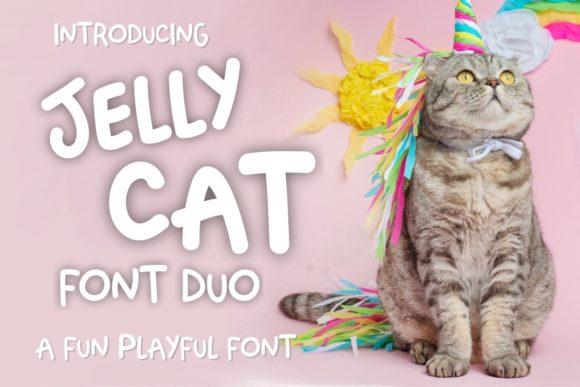
There’s a certain magic in a font that feels human. You know the one—it doesn’t just sit on the page; it leans in, it smiles, it feels approachable and real. That’s the immediate impression you get with Jelly Cat. This isn’t a cold, geometric typeface or a formal serif that demands attention from a distance. Jelly Cat is a sweet and friendly handwritten font, one that carries the gentle imperfections and natural flow of a real person’s penmanship. Its style is inherently unique, making it an incredibly versatile asset for a designer’s toolkit. The only real limit is what you can imagine for it.
A Typeface with Personality: More Than Just Letters
What sets a creative font like this apart in a sea of available typefaces? It’s all in the details. Jelly Cat strikes a beautiful balance between casual and polished. The letterforms have a soft, rounded quality that feels welcoming, avoiding the sometimes messy look of overly script-like fonts. This makes it a standout display font that can carry a headline with charm without sacrificing clarity. Its natural flow gives projects an organic, handmade feel—a quality that resonates deeply in an era where audiences crave authenticity. Whether you’re a brand strategist looking to inject warmth into a client’s identity or a small business owner crafting your own packaging, this typeface offers a voice that’s distinctly human.
Practical Magic: Where This Handwritten Font Truly Shines
Thinking about how a font like this applies to real-world projects is where the fun begins. Its sweet, approachable character makes it a natural fit for a wide range of design assets. Let’s break down some specific, practical applications where Jelly Cat can elevate your work.
Building a Memorable Brand Identity
For a brand identity, consistency and emotion are everything. Jelly Cat can serve as the core of a visual language for businesses that want to feel friendly, personal, and trustworthy. Imagine it as the primary logotype for a boutique bakery, a children’s clothing line, a cozy coffee shop, or a wellness coach. Its handwritten style immediately communicates a personal touch, helping to build brand recognition through a unique and consistent visual signature. It tells your audience, “There are real people here who care.”
Packaging and Product Design That Pops
On a shelf or a website, packaging design needs to catch the eye and convey the product’s essence in seconds. Jelly Cat is perfect for product names on artisanal goods, handmade cosmetics, gourmet snacks, or subscription boxes. Its friendly vibe makes the product feel more accessible and special. Paired with a clean sans serif font for the ingredient list or instructions, it creates a beautiful hierarchy that is both beautiful and functional.
Digital Presence: Social Media and Websites
In the fast-scrolling world of social media, social media graphics need to stop the thumb. Using Jelly Cat for quotes, announcements, sale tags, or profile highlights adds a personal, engaging layer that generic fonts often lack. For web design, it can be used strategically for main headings or call-to-action buttons to inject personality. A word of caution here: for body text on a website or blog, always prioritize readability. Jelly Cat is best used for accents and headlines, paired with a highly legible serif or sans-serif for long paragraphs of text.
Print Materials with a Personal Touch
Think beyond the screen. This premium font translates beautifully to print. Consider it for posters for local events, invitations for weddings or baby showers, thank-you cards, or menus. For a small business owner, using it on business cards or loyalty cards can make a lasting, warm impression. It’s also an excellent choice for merchandise like tote bags, mugs, or t-shirts, where a handwritten feel adds perceived value.
Editorial and Marketing Collateral
Even in more structured environments, a touch of warmth can be powerful. In editorial design, Jelly Cat can be used for pull quotes, chapter titles, or section headers in a magazine or book to break up the monotony of body copy. For marketing assets like email headers, PDF guides, or webinar slides, it can make information feel more digestible and less corporate.
Pairing and Practicality: Making It Work in Your Projects
Knowing a font’s strengths is one thing; implementing it effectively is another. Here’s some practical advice for integrating a handwritten font like Jelly Cat into your workflow.
Font Pairing is Key: The most successful designs often use two or three fonts. Because Jelly Cat has a strong personality, it pairs wonderfully with more neutral typefaces. Try combining it with a clean, geometric sans serif font like Montserrat or Poppins for a modern, balanced look. For a more classic or elegant feel, pair it with a simple serif font like Lora or Merriweather. This contrast ensures your main message is clear while your headings have character.
Consider Your Project’s Goal: Always ask: what is the primary emotion I need to evoke? Jelly Cat is ideal for projects that call for friendliness, approachability, creativity, and a personal touch. It might not be the right fit for a law firm’s annual report or a tech startup’s serious whitepaper, where a more authoritative typeface is needed.
Test for Readability: Always test your chosen font at the size it will be used. A beautiful script can become illegible at small sizes. Use Jelly Cat for larger display text where its charm can be appreciated, and choose a simpler display font or body font for smaller, essential information.
Explore the Font Styles: A good font family often includes more than one weight or style. Check if the Jelly Cat family includes options like a bold weight or italic. These variations can give you more flexibility and help establish a clearer visual hierarchy within a single project.
Understand the License: If you’re using this for client work or selling products with the font on them, you must ensure you have the correct commercial font license. Always review the license terms to understand what is permitted for logo design, merchandise, and digital products. This is a non-negotiable step for any professional creative entrepreneur or designer.
Ultimately, a typeface is a tool for communication. Jelly Cat is a tool that communicates warmth, authenticity, and creativity. By understanding its personality and applying it thoughtfully to your branding, packaging, web design, or print materials, you can create visuals that don’t just look good—they feel genuinely good to your audience. It’s about choosing typography that doesn’t just serve a function but also tells a story.