Why Gentle Hues Is Your New Favorite Handwritten Font
There’s a moment in every creative project where the font just doesn’t feel right. It’s either too stiff, too playful, or too hard to read. You find yourself spending hours scrolling through options, looking for something that feels natural, clean, and easy to work with. If that sounds familiar, you might want to take a closer look at Gentle Hues. This soft, handwritten typeface was designed with everyday usability in mind. It’s not trying to be the loudest voice in the room—it’s aiming for clarity, calm, and consistency.
A Font That Feels Like Your Handwriting (But Better)
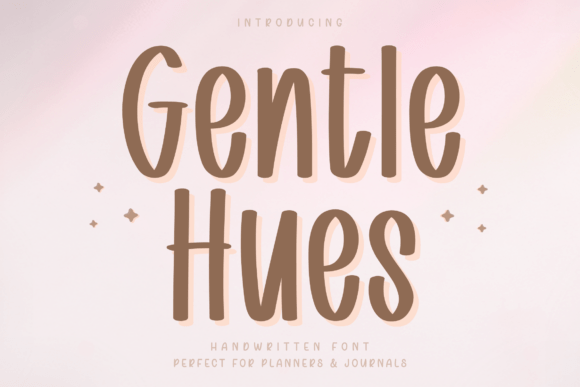
Gentle Hues is a premium font that captures the warmth of natural handwriting without sacrificing readability. Its smooth curves and simple letterforms give it a relaxed, approachable feel. But unlike some script fonts that look messy or hard to decipher, Gentle Hues maintains a neat, organized appearance. That balance makes it incredibly versatile. Whether you’re designing a logo, creating social media graphics, or laying out a digital planner, this font adapts without losing its personality.
What makes it stand out is its consistency. The strokes are even, the spacing is thoughtful, and the overall rhythm feels comfortable to read. It’s the kind of typeface that doesn’t distract from your message—it supports it. That’s especially important if you’re building a brand identity or working on editorial design where clarity matters just as much as style.
Practical Uses for Modern Creators
If you’re a small business owner, content creator, or designer, you know that font choice can make or break a project. Gentle Hues works well across a surprising range of applications. Think about packaging design where you want a personal touch without looking amateurish. Or consider social media graphics where you need text that’s legible on small screens. This handwritten font delivers that soft, human quality while still looking polished.
It’s also a strong choice for digital products. If you sell planners, journals, or printable stickers on Etsy or your own website, Gentle Hues can give your products a cohesive, professional look. Its clean design ensures that even at smaller sizes, the text remains easy to read. That’s a big deal when you’re creating assets that people will actually use day after day.
For bloggers and marketers, pairing Gentle Hues with a simple sans serif font can create a beautiful contrast. Use it for headlines or pull quotes to add personality, and let a more neutral typeface handle the body text. That kind of font pairing keeps your design feeling balanced and intentional.
How It Supports Brand Recognition and Engagement
Typography plays a huge role in how people perceive your brand. The fonts you choose send subtle signals about your style, your values, and who you’re trying to reach. Gentle Hues communicates approachability and creativity without feeling overly casual. It’s modern typography with a human touch—perfect for brands that want to feel authentic and relatable.
When used consistently across your marketing assets, website, and print materials, this font helps build visual recognition. People start to associate that gentle, handwritten style with your business. Over time, that consistency strengthens your brand identity. And because Gentle Hues is so readable, it keeps your audience engaged rather than frustrated. That’s especially important for long-form writing, blog posts, or editorial layouts where you want people to actually read what you’ve created.
Tips for Using Gentle Hues Effectively
Like any design asset, how you use Gentle Hues matters. Here are a few practical suggestions to get the most out of this creative font:
- Pair it wisely. Gentle Hues works best alongside clean, simple fonts. Try matching it with a geometric sans serif for a modern look, or a classic serif for a more traditional feel. Avoid pairing it with other script fonts—that can get visually noisy.
- Consider the context. This font shines in projects where you want a personal, handmade quality. It’s great for invitations, merchandise, posters, and logo design. But if you’re working on something highly technical or formal, you might want to reserve it for accents rather than body text.
- Test readability at different sizes. While Gentle Hues is designed for clarity, it’s always smart to check how your text looks at various scales. Make sure it’s legible on both desktop and mobile screens, especially if you’re using it for web design or social media graphics.
- Review the included styles. Many premium fonts come with multiple weights or stylistic alternates. Take the time to explore what’s included—you might find variations that work better for specific applications.
- Check the licensing. If you’re using Gentle Hues for commercial projects, make sure you understand the font licensing. Most commercial fonts allow for broad use, but it’s worth confirming before you launch a product or campaign.
Why This Font Feels So Easy to Use
One of the things I appreciate about Gentle Hues is that it doesn’t require a lot of fussing. Some fonts need constant adjustment—tracking, kerning, size tweaks—to look right. This one feels ready to go almost immediately. Its clean design and consistent letter spacing mean you can drop it into a project and it just works. That saves time, which is something every creative professional values.
It’s also worth noting that Gentle Hues isn’t just for designers. If you’re a hobbyist who loves crafting, journaling, or making personalized gifts, this font is a joy to work with. It’s perfect for Cricut projects, handwritten notes, or custom stickers. The natural handwritten style adds that personal touch without the inconsistency of actual handwriting.
In a world full of bold, attention-grabbing typefaces, Gentle Hues offers something different. It’s quiet, it’s thoughtful, and it’s incredibly functional. Whether you’re building a brand from scratch or refreshing your visual identity, this font deserves a spot in your toolkit. It’s the kind of design asset that you’ll reach for again and again—not because it’s trendy, but because it works.