Playdia Vintage: The Groovy Font for Modern Branding
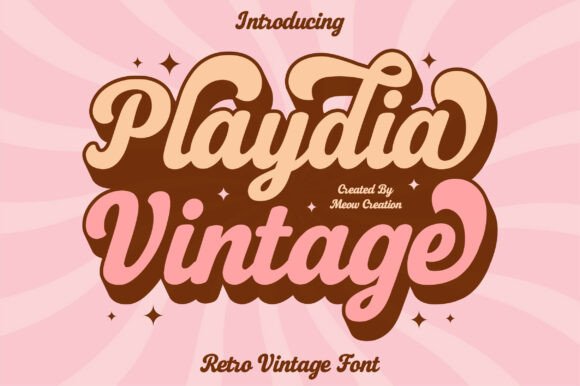
You know that feeling when you stumble upon a design that just feels… happy? There's an immediate warmth, a sense of nostalgia that doesn't feel dated, but rather timelessly cool. That's the exact energy that a typeface like Playdia Vintage brings to the table. It’s not just a collection of letters; it’s a mood. In a landscape crowded with stark minimalism and cold, geometric sans serifs, this retro script font stands out by offering something genuinely joyful. It channels the free-spirited, groovy lettering of the 1970s—think creamy layered styles, smooth curves, and bold, thick lines—but wraps it up in a package that feels fresh and relevant for today’s creative projects.
For designers, entrepreneurs, and content creators, finding a font that bridges the gap between "retro" and "modern" can be a challenge. You want that vintage charm, but you also need legibility and versatility. You need a typeface that can look just as good on a digital screen as it does on a printed poster. This is where the specific design choices of this display font shine. It manages to be bold without being aggressive, and playful without being childish. It’s the kind of asset that can instantly inject personality into a brand identity, making it a valuable tool in any designer's toolkit.
More Than Just Nostalgia: The Visual Appeal
When we talk about typography, we often get bogged down in technical terms like kerning and leading. But for most people—whether you're a small business owner designing your own packaging or a blogger creating social media graphics—the visual "vibe" is what matters most. Playdia Vintage excels here because of its unique aesthetic balance. The "creamy" layered style mentioned in its description is key. It suggests depth and texture. Unlike a flat, one-dimensional script font, this typeface has character. It feels handcrafted, which is a massive asset in an era where consumers crave authenticity.
The visual appeal lies in its ability to mimic the hand-lettered signage and groovy typography of the mid-20th century. The smooth curves guide the eye effortlessly, while the bold weight ensures that text remains a focal point rather than an afterthought. This makes it an excellent choice for logo design, where a brand needs to make a strong first impression. A logo set in this font immediately tells the audience that the brand is friendly, approachable, and perhaps a little bit fun. It’s a visual shortcut to a specific emotional response, which is exactly what good modern typography should do.
Practical Applications: Where Groovy Meets Functional
The true test of any premium font is how well it performs in the real world. A typeface might look beautiful in a specimen sheet, but can it handle the demands of packaging design or the fast-paced environment of social media graphics? The versatility of Playdia Vintage is one of its strongest selling points. It’s a display font at heart, meaning it’s designed to grab attention in headlines, titles, and short bursts of text. Here is how you can apply it across different creative mediums:
- Branding and Identity: Use it for wordmarks or taglines to establish a distinct, retro-modern personality. It works exceptionally well for brands in the food, beauty, or lifestyle sectors.
- Merchandise and Apparel: The thick lines and bold presence make it ideal for t-shirt designs and tote bags. It’s readable from a distance and holds up well in screen printing.
- Print Materials: Think posters, flyers, and invitations. Whether it’s a music festival flyer or a wedding invite with a retro theme, the font adds an instant layer of style.
- Digital Products: If you sell digital planners, e-books, or course materials, using a distinct font like this for chapter headings can elevate the perceived value of the product.
- Editorial Design: In editorial layouts, it serves as a striking contrast to body text, creating dynamic pull quotes or magazine covers that pop off the page.
However, it is crucial to remember that this is a script font with a strong personality. It is best suited for display purposes. You wouldn't want to use it for long paragraphs of body copy on a website or in a lengthy blog post, as readability would suffer. Instead, pair it with a clean sans serif font or a simple serif font for the body text to let the headlines do the talking.
Strategic Typography: Building a Brand Identity
Choosing a font is a strategic business decision, not just an aesthetic one. Your typography speaks volumes about your brand's values. By selecting a creative font like Playdia Vintage, you are signaling that your brand values creativity, warmth, and perhaps a touch of nostalgia. This is particularly effective for businesses targeting audiences who appreciate artisanal quality or vintage aesthetics.
Visual consistency is the cornerstone of strong brand identity. When you use a consistent typeface across your web design, your physical packaging, and your email marketing, you create a cohesive experience. This repetition builds brand recognition. When a customer sees that distinct, groovy lettering, they should immediately think of your brand. To achieve this, ensure you are utilizing the full range of styles included with the font. Often, premium fonts come with alternates, ligatures, or stylistic sets that allow you to customize the look, ensuring your text doesn't look generic.
Pairing and Practicality: Making It Work
One of the most common questions in typography is about font pairing. How do you combine a decorative font like a retro script with other typefaces without creating a chaotic design? The rule of thumb is contrast and balance. Because Playdia Vintage is detailed, bold, and curvy, it pairs best with something simple and structured.
For example, if you are designing a logo or a poster, you might use the script font for the main headline and a geometric sans serif for the sub-headline or details. This creates a hierarchy that guides the viewer's eye. Avoid pairing it with other highly decorative fonts, as this can lead to visual clutter and reduce readability.
Before finalizing your design, always test your font pairings in context. Mock up how the text looks on a mobile screen versus a desktop, or how it looks printed on textured paper. Pay attention to the spacing—sometimes bold, retro fonts need a little extra tracking (letter spacing) to breathe, especially when used in all caps. By taking the time to fine-tune these details, you move from simply "using a font" to crafting a professional visual communication strategy.
Ultimately, the goal of any design asset is to serve the project. Whether you are working on a new brand identity, refreshing your blog headers, or creating a line of merchandise, the tools you choose matter. A font like Playdia Vintage offers a specific flavor that can transform a mundane design into something memorable. It’s a reminder that design should be fun, and that sometimes, the best way to move forward is to borrow a little style from the past.