Beach Doodle: A Playful Typeface for Sun-Kissed Branding
There’s a certain feeling that washes over you when you see a design that just gets it right—a design that feels both effortless and intentional, like a perfectly planned day at the shore. Capturing that vibe, that blend of relaxed creativity and clear communication, often comes down to the smallest details, particularly typography. This is where a font like Beach Doodle enters the conversation, offering a solution for designers and creators who need to inject personality and warmth into their projects without sacrificing functionality. It’s more than just a set of letters; it’s a visual tone that can define a brand’s entire aesthetic.
Capturing a Vibe: What Makes This Typeface Tick
At its core, Beach Doodle is a handwritten font that feels authentically casual, as if sketched in a notebook by the ocean. Its charm lies in its imperfect lines and gentle curves, which evoke a sense of approachability and creativity. Unlike rigid, formal typefaces, this one carries a human touch that immediately builds a connection with the viewer. For a small business owner launching a surf shop, a content creator developing a travel blog, or a designer crafting social media graphics for a summer festival, this premium font serves as a bridge between professional needs and a relaxed, inviting aesthetic.
The visual appeal isn't just about being "cute." It's a strategic tool. In a digital landscape saturated with clean, minimalist sans-serifs, a character-rich display font like Beach Doodle cuts through the noise. It communicates a specific brand personality: creative, friendly, and energetic. This makes it particularly effective for projects targeting audiences who value authenticity and a laid-back lifestyle. Think of a yoga studio’s promotional poster, a beachside café’s menu, or the logo for a handmade jewelry line—the font itself tells part of the brand’s story before a single word is read.
From Screen to Print: Real-World Applications
The true test of any design asset is its versatility. Beach Doodle, often available in multiple formats like OTF and TTF, proves its worth across a stunning range of applications. For logo design, it can become the centerpiece of a brand identity, especially for businesses in lifestyle, wellness, food, or artisanal goods. Paired with a simple sans serif font for body text, it creates a balanced and memorable visual system.
Beyond logos, consider its role in packaging design. A product label for organic sunscreen, artisanal sea salt, or summer-themed candles gains instant shelf appeal with this playful typography. Its legibility at various sizes makes it suitable for everything from large headlines on posters to smaller text on invitations and thank-you cards. Digital applications are equally powerful. As a Procreate font, it’s a favorite among illustrators and artists for adding hand-lettered quotes to their work. When used as an Affinity Designer font or Affinity Photo font, it integrates seamlessly into professional workflows for creating social media graphics, website headers, and marketing assets that feel personal and engaging.
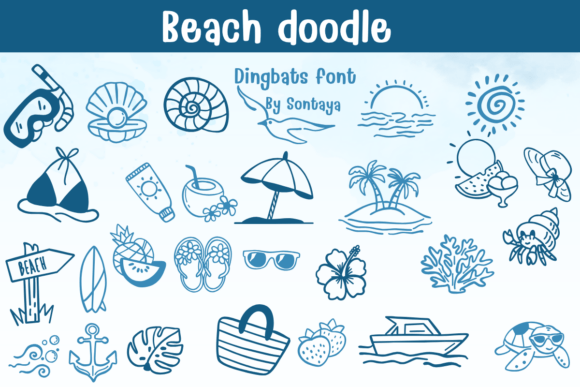
For creators selling digital products—like printable planners, stickers, or blog graphics—this font adds significant value. Its inclusion of dingbats and doodle elements is a particular bonus, allowing for the easy addition of thematic icons like seashells, waves, and suns, which can be used as decorative accents or as part of a coloring outline for kids' activities or adult relaxation books.
Strategic Typography: Pairing and Professionalism
Choosing the right font is only half the battle; knowing how to use it is what elevates a project from good to great. A common mistake with playful script fonts or handwritten styles is overuse. Beach Doodle shines when used for headlines, logos, and pull quotes. For longer blocks of text, pairing it with a highly readable serif font or a clean sans serif font is crucial for maintaining readability and visual consistency. This contrast ensures the design feels dynamic rather than chaotic.
This approach directly impacts brand recognition. When a customer sees the consistent use of Beach Doodle across a brand’s website, packaging, and Instagram stories, it builds a cohesive and professional image. It tells the audience that the brand pays attention to detail and cares about its visual presentation. For editorial design, such as a magazine feature on coastal travel or a cookbook focused on summer recipes, the font can be used strategically for titles and chapter headings to establish a thematic mood, while a more traditional typeface handles the recipes and articles themselves.
Before finalizing any project, always test your font pairings in context. View them on different screens and in print if possible. Check the licensing, especially for commercial use. Most premium fonts come with clear licenses that cover everything from client work to merchandise, but it’s the designer’s responsibility to ensure compliance. This due diligence is a hallmark of a professional presentation and protects both the creator and the client.
Beyond the Beach: Unlocking Creative Potential
While the name suggests a coastal theme, the applications of a font like Beach Doodle extend far beyond literal beach projects. Its core quality—a joyful, handcrafted feel—makes it suitable for any brand or project aiming to convey warmth, creativity, and approachability. A bakery, a children’s clothing line, a podcast about creative living, or a community event poster can all harness its energy. The key is to align the font’s personality with the project’s goals. Does your project need to feel energetic? Calm and artistic? Whimsical and fun? The font’s inherent style should answer that question.
Ultimately, tools like Beach Doodle empower creators. Whether you're a seasoned graphic designer looking for a fresh typeface for a client project, a small business owner building your own brand identity, or a hobbyist crafting personalized gifts, having a versatile and character-rich font in your toolkit opens up new creative possibilities. It’s a reminder that effective design isn’t about following rigid rules, but about choosing the right elements to tell your unique story and connect with your audience on a human level. In the vast sea of modern typography, sometimes the most effective choice is the one that feels the most personal.